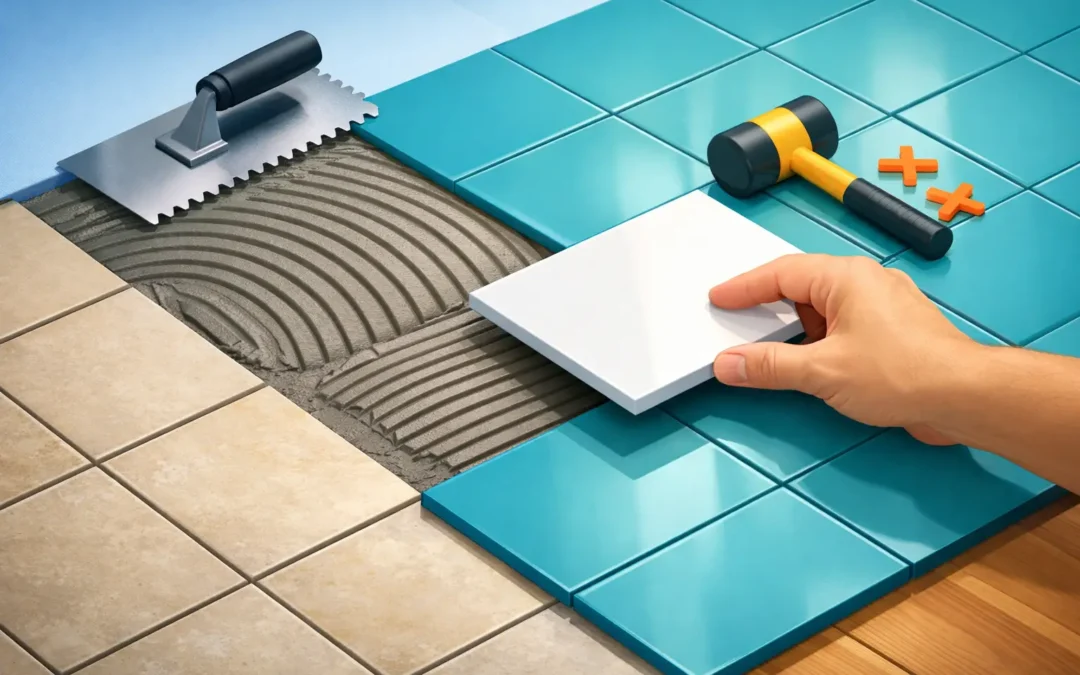
A dated tile floor or shower wall can make an otherwise sound room feel overdue for a remodel. The good news is that can tile go over tile is often a yes. Installing new tile over existing tile can reduce demolition, shorten the project, and avoid the mess of removing a firmly bonded surface. But it only works when the old tile, the structure behind it, and the added height all pass inspection.
For many bathroom, kitchen, and laundry room updates, tile-over-tile installation is a practical option. It is not a shortcut for covering damage, movement, or water problems. A careful evaluation at the start protects the budget and helps the finished surface look good for years.
Can Tile Go Over Tile on Floors and Walls?
New tile can be installed over old ceramic, porcelain, or natural stone tile on both floors and walls when the existing installation is stable, clean, and properly prepared. The old tile effectively becomes the base for the new finish.
The key word is stable. Every existing tile should be firmly attached, with no hollow sound, cracking, lifting, or movement underfoot. Grout lines can be worn or stained without causing a problem, but loose tile is a different issue. If the original installation is failing, placing another layer over it only hides the failure temporarily.
Walls are often the better candidates because added thickness usually has less effect on doors, appliances, and plumbing fixtures. Floors can work well too, especially in a bathroom where demolition would disturb a solid mortar bed. Still, floor height must be checked carefully before moving forward.
When Installing Tile Over Tile Makes Sense
Tile-over-tile installation is worth considering when the current tile is flat, sound, and free of moisture damage. It can be especially useful for homeowners who want to refresh a room without the added labor and disposal costs that come with full demolition.
A solid existing tile floor may save substantial time. Removing old tile can expose damaged underlayment, create dust throughout the home, and lead to repairs that were not visible before demolition began. Those repairs may be necessary, but when the base is already in good condition, preserving it can be a sensible value decision.
This approach also works well when a homeowner wants a new backsplash, fireplace surround, or bathroom wall finish. In these areas, the surface is generally easier to inspect and the added depth is less likely to create functional problems.
In older Modesto-area homes, a bathroom remodel may reveal tile that is outdated but exceptionally well bonded. If the surrounding walls, waterproofing, and plumbing are in good shape, installing over that surface may allow more of the budget to go toward improved fixtures, cabinetry, lighting, or a better tile selection.
When Old Tile Should Be Removed First
There are situations where removal is the right investment, even if it adds time and cost. Tile should come out when it is loose, cracked from structural movement, uneven, or installed over a weak subfloor. A new tile layer cannot correct a floor that flexes or a wall that has water damage behind it.
Bathrooms deserve extra caution. If a shower has leaking grout, soft drywall, mildew, missing caulk, or signs of water outside the shower area, the concern is not the tile face. The concern is what is happening behind it. Proper repair may require removing the old tile, replacing damaged materials, and rebuilding the waterproofed surface before new tile is installed.
Floor transitions are another common deal-breaker. Adding tile and mortar can raise a finished floor by roughly one-half inch or more, depending on the materials. That additional height may interfere with a bathroom door, create an awkward transition into a hallway, reduce clearance beneath appliances, or require adjusting a toilet flange. It can also create a trip edge if the adjoining floor sits much lower.
Removal is usually the better path when the existing tile has several layers already, significant lippage between tiles, or a pattern of cracks. It is also necessary when a homeowner is changing a tub surround or shower layout and needs access to plumbing, framing, or waterproofing.
What Proper Preparation Looks Like
Tile does not bond reliably to a dirty, glossy, or contaminated surface. Preparation is where a quality tile-over-tile installation earns its value. The work begins with a close inspection of the existing surface, including tapping tiles to locate hollow spots and checking the floor with a straightedge for high and low areas.
Once the surface is approved, it must be thoroughly cleaned. Grease, soap film, wax, cooking residue, and old household cleaners can prevent the setting material from bonding. Kitchen floors and backsplashes often need more cleaning than homeowners expect, while shower walls may have years of mineral deposits and soap buildup.
The existing glazed surface is then mechanically roughened or treated with a bonding system designed for tile-over-tile work. The correct thinset mortar matters as well. A quality polymer-modified mortar formulated for the materials and location helps create a dependable bond. Standard products or quick fixes are not interchangeable, particularly in wet areas or on floors that receive daily traffic.
Flatness also matters more than most people realize. Large-format tile needs a particularly even base. If the old tile has dips, raised edges, or uneven patches, those conditions must be addressed before setting new tile. Otherwise, the finished installation can have lippage, poor tile contact, and grout joints that do not align cleanly.
The Details That Affect the Finished Room
A successful installation is not just about getting tile to stick. The new thickness changes the relationship between the tile and everything around it. Trim pieces, baseboards, door casings, outlets, cabinets, toilets, shower valves, and thresholds all need to be evaluated before work starts.
On a wall, outlet boxes may need extensions so switches and receptacles sit correctly at the finished surface. At a backsplash, the new tile may project beyond a countertop edge or interfere with under-cabinet trim. In a shower, valve trim and shower arms must have enough adjustment range for the thicker wall finish.
On a floor, toilet removal and flange height are major considerations. The toilet should sit firmly on the finished floor, and the flange must be positioned correctly to create a reliable seal. Simply forcing a toilet to fit after a floor has been raised can lead to rocking, leaks, or recurring maintenance problems.
Movement joints should not be overlooked either. Tile expands and contracts slightly with temperature and moisture changes. Perimeter gaps and appropriate flexible joints help prevent pressure from transferring into the tiled surface. This is one of those details that is easy to miss and expensive to correct later.
Is Tile Over Tile Less Expensive?
It can be, but it is not automatically the lowest-cost option. Avoiding demolition often reduces labor, hauling, and subfloor or wall repair costs. That can make tile-over-tile installation an attractive choice for a budget-conscious update.
However, the savings narrow if the existing surface requires extensive flattening, special transitions, plumbing adjustments, door modifications, or complicated trim work. A full tear-out may provide a cleaner result when several of those issues are already present. The best choice is the one that delivers a durable finish without creating avoidable problems elsewhere in the room.
This is why an in-person assessment is more useful than a quick answer based on photos alone. A contractor should inspect the tile bond, look for signs of moisture, measure height changes, and discuss how the new material will meet adjacent surfaces. Thiel Construction approaches these decisions with the same practical mindset used for larger remodels and smaller repair projects: do the work that makes sense for the home, not just the work that looks easiest at first.
Choosing the Right Path for Your Project
If the existing tile is firmly bonded, level enough for the new material, and free of hidden moisture concerns, installing over it can be an efficient way to modernize a room. If there are cracks, movement, water damage, or major height conflicts, removal gives the new installation the solid foundation it needs.
A fresh tile surface should feel like an upgrade from day one, not a compromise that creates another repair down the road. Taking the time to inspect what is already in place is the best first step toward a finish that fits your home, your budget, and the way your family uses the space.
Recent Comments