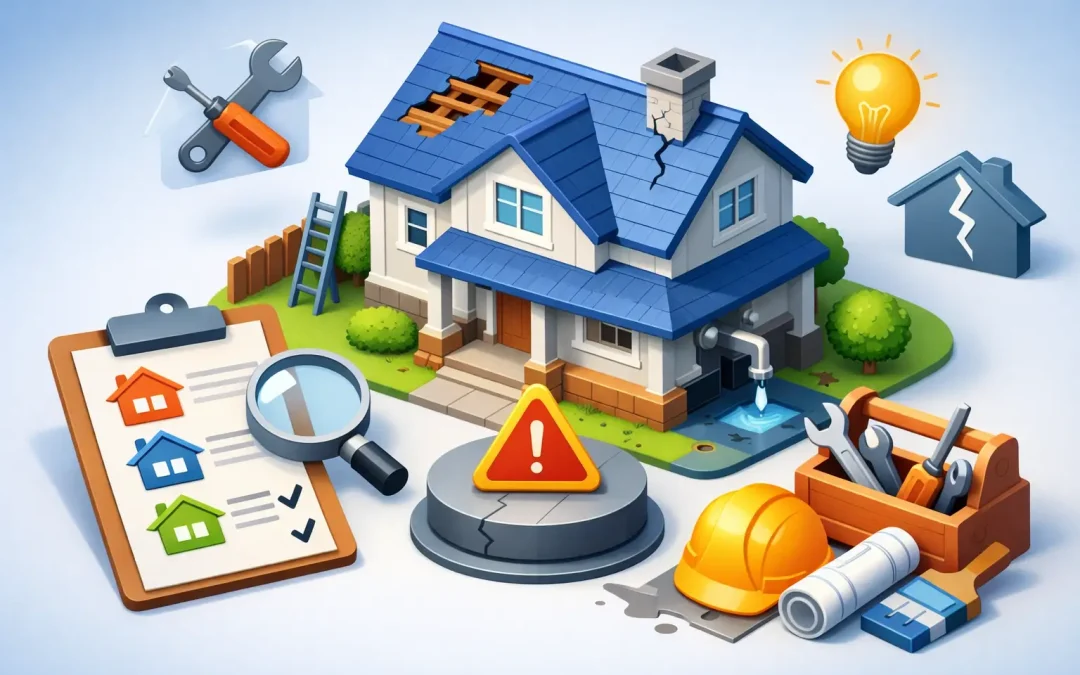
A loose stair rail, a small roof leak, an aging water heater, cracked tile in the bathroom – most homeowners do not face just one repair at a time. They face five or ten, all competing for attention and budget. If you are wondering how to prioritize home repairs, the goal is not to fix everything at once. It is to make smart decisions that protect your home, your family, and your long-term investment.
The best repair plan starts with one simple question: what happens if this waits? Some issues are mostly cosmetic for now. Others quietly get worse until they become expensive emergencies. Knowing the difference can save you real money.
How to Prioritize Home Repairs by Risk
The fastest way to sort your repair list is by consequence, not annoyance. The repair that bothers you most is not always the one that should come first.
Start with safety issues. Anything that could injure someone or create a fire, electrical, or health hazard belongs at the top of the list. That includes loose handrails, damaged steps, exposed wiring, plumbing leaks near electrical lines, broken locks, rotted subflooring, and signs of mold caused by moisture problems. These are not repairs to put off for a more convenient season.
Next come repairs that prevent further damage. A minor roof leak may not seem urgent if you can place a bucket under it, but water rarely stays a small problem. It moves into insulation, framing, drywall, and flooring. The same is true for plumbing leaks under sinks, failed exterior caulking around windows, and damaged siding that lets moisture into the wall system. A modest repair now can prevent a much larger restoration later.
After that, look at anything that affects your home’s core systems. Heating and cooling problems, water heater issues, drainage concerns, failing fixtures, and electrical panel problems all deserve attention because they affect daily function. Even if they are not dangerous yet, they can quickly disrupt your household.
Cosmetic repairs usually come last unless they overlap with a bigger issue. Cracked grout, chipped paint, dated cabinets, or worn trim may be frustrating, but they usually do not cause immediate damage on their own. That said, appearance and function sometimes meet in the same space. A bathroom with old finishes may also have soft subflooring around the toilet or a leaking shower pan behind the tile. That changes the priority.
Separate True Urgency From Everyday Frustration
Homeowners often move the most visible problem to the top of the list. That is understandable. You see the stained ceiling every day. You notice the scratched flooring every time you walk in the room. But visibility is not the same thing as urgency.
A good rule is to divide repairs into four buckets: safety hazards, active damage, functional failures, and cosmetic updates. Once you do that, your next steps usually become clearer.
An example helps. Say your kitchen backsplash is outdated, your hallway has a cracked light switch cover, your guest bathroom faucet drips, and your back door does not latch properly. The backsplash can wait. The switch cover is quick and inexpensive. The dripping faucet matters because it wastes water and may point to worn parts, but the door that does not secure properly could affect both safety and security. In that case, the door likely moves up first.
This is where experience matters. Some problems look small but point to deeper issues. A few cracked tiles might mean simple wear, or they might mean movement in the floor below. Peeling paint could be surface aging, or it could signal moisture intrusion. If you are not sure which category a repair belongs in, getting a professional opinion can keep you from spending money in the wrong order.
Budgeting for Repairs Without Falling Behind
Knowing how to prioritize home repairs also means being realistic about what you can afford right now. A solid plan balances urgency with budget, not one or the other.
If several repairs need attention, start by pricing them in rough groups. Some jobs are small enough to handle quickly and prevent bigger trouble. Others may need to be planned as part of a larger project. For example, replacing a few damaged baseboards is one thing. Repairing repeated water damage in a bathroom may make more sense as part of a partial or full remodel, especially if the finishes, fixtures, and layout are all showing their age.
There is also value in bundling the right work together. If a bathroom has a leaking valve inside the wall, cracked tile, and an old vanity that already needs replacement, patching one issue at a time may cost more in the long run. Addressing the room more comprehensively can reduce repeat labor and leave you with a better result. On the other hand, if your budget is tight, it may still make sense to fix the leak now and plan the upgrade later. It depends on the condition of the space and how long the temporary repair will truly hold.
For homeowners in older Central Valley homes, deferred maintenance can stack up fast. The answer is not panic. It is a written plan. List every known issue, rank it by risk, get realistic cost ranges, and decide what should happen now, within six months, and within the next one to two years.
Use a Repair Timeline, Not Just a To-Do List
A long repair list feels overwhelming because everything sits in the same mental pile. A timeline makes it manageable.
Immediate repairs are the ones tied to safety, active leaks, structural concerns, electrical hazards, or anything that can quickly worsen. Near-term repairs are the ones that affect comfort, efficiency, and reliability, such as an aging water heater, damaged exterior trim, failing caulk around tubs and showers, or a garage door issue. Longer-term items are usually upgrades, finish replacements, and non-urgent improvements.
This approach helps you avoid a common mistake: spending too much on surfaces while hidden issues remain untouched. New flooring does not feel like a smart investment if you later need to tear it out to fix a subfloor problem. Fresh paint is satisfying, but not if the wall behind it still has moisture damage.
A timeline also helps when you are preparing for a larger remodel. If a kitchen update is a year away, you may only want practical repairs now, not temporary upgrades that will be removed later. If a bathroom has both repair needs and outdated finishes, it may be worth deciding whether you are fixing the room to maintain it for five more years or preparing it for a near-future remodel.
When a Small Repair Should Become a Bigger Project
Not every repair should stay small. Sometimes a homeowner spends money patching the same area over and over because the underlying problem was never fully addressed.
This often happens in bathrooms, kitchens, and exterior woodwork. Recaulking a shower again and again may not solve hidden water damage. Replacing one cabinet door may not make sense if the boxes are worn, the layout no longer works, and the countertops are nearing the end of their life. Repairing sections of dry rot on trim may be the right call, but if water is getting in because flashing, paint failure, and caulking issues all overlap, a more complete exterior repair may be the better investment.
A trustworthy contractor should help you weigh that choice honestly. Sometimes the budget-conscious move is a focused repair. Sometimes the better value is stepping back and solving the whole problem once.
How to Prioritize Home Repairs Before Selling or Staying Long Term
Your priorities should also reflect your plans for the home.
If you plan to stay for years, focus first on repairs that protect the structure and improve daily living. Fix the things that affect safety, reliability, and long-term maintenance. After that, invest in updates that make the home more comfortable and functional for your family.
If you may sell in the near future, the order can shift slightly. Buyers notice neglected maintenance quickly. Roof concerns, water damage, broken fixtures, damaged flooring, and poor curb appeal can all hurt value. In that case, it often makes sense to handle visible maintenance issues along with critical repairs. A house that feels well cared for tends to perform better than one with obvious unfinished problems.
That does not mean over-improving. A full remodel is not always necessary before a sale. Often, well-executed repairs, clean finishes, and a home that functions properly do more for buyer confidence than expensive changes chosen in a hurry.
Get Clear on Scope Before You Spend
One of the smartest steps you can take is to stop guessing. If you have a few problem areas but are unsure what is urgent, ask for a professional assessment and a realistic scope of work. That is often where homeowners save the most money – not by choosing the cheapest fix, but by choosing the right fix first.
An experienced contractor can help you sort out what needs immediate attention, what can be monitored, and what should be grouped into a future improvement project. That kind of guidance is especially helpful when repairs overlap with remodeling decisions, because the wrong order can lead to wasted materials and duplicate labor.
At Thiel Construction, that practical approach matters because many homeowners do not need a sales pitch. They need straight answers, quality workmanship, and a clear plan that fits both the house and the budget.
A well-maintained home rarely happens by accident. It comes from fixing the right things at the right time, before small problems get the chance to become expensive ones.
Recent Comments