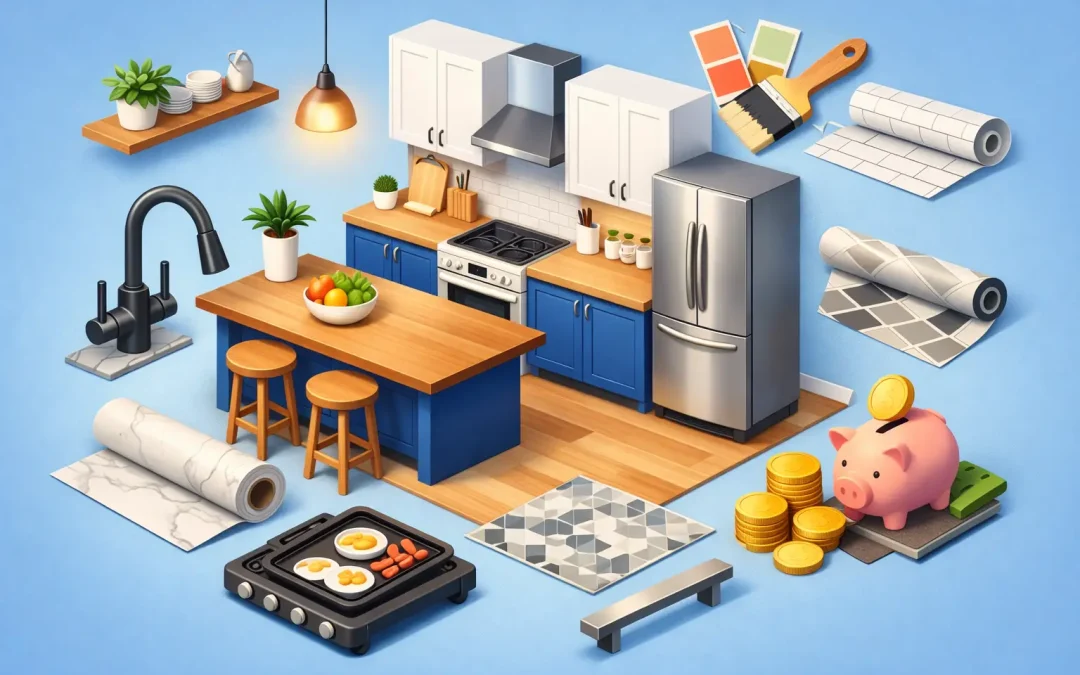
A kitchen can start to feel worn out long before it actually stops working. Maybe the cabinets are solid but dated, the lighting is dim, or the countertops make the whole room look older than it is. Budget friendly kitchen updates can make a noticeable difference without pushing you into a full gut remodel, especially when you focus on the changes that affect how the space looks and functions every day.
The key is knowing where a smaller investment will actually pay off. Some updates are mostly cosmetic. Others improve storage, lighting, and daily use in ways that make the kitchen feel newer even if the footprint stays the same. The best plan usually mixes both.
Where budget friendly kitchen updates make the biggest impact
If you are trying to stretch your remodeling dollars, start with the surfaces and features people notice first. Cabinetry, counters, backsplash, fixtures, and lighting do most of the visual heavy lifting in a kitchen. When those elements look clean, updated, and coordinated, the entire room feels improved.
That does not always mean replacing everything. In many homes, the cabinet boxes are still in good shape, which opens the door to repainting, refacing, or changing hardware instead of installing all-new cabinets. The same principle applies to other finishes. A smart partial update often delivers better value than scattering money across too many small changes.
There is also a practical side to budgeting. If your kitchen has hidden issues like water damage, worn plumbing connections, bad lighting placement, or outlets that need attention, those items deserve priority over decorative upgrades. A good-looking kitchen still needs to function properly.
Start with cabinets before anything else
Cabinets usually take up the most visual space, so they are often the best place to begin. If the layout works and the cabinet frames are structurally sound, painting or refinishing them can dramatically lower the cost compared to full replacement. White, warm greige, soft taupe, and natural wood tones remain popular because they brighten the room and work well with a wide range of countertop and flooring choices.
Hardware is another cost-effective improvement. Swapping old knobs and pulls for updated finishes like matte black, brushed nickel, or warm brass can change the style of the kitchen faster than most homeowners expect. It is a small detail, but it ties the room together.
If the cabinet doors are damaged, badly outdated, or not worth refinishing, refacing may be a middle-ground solution. It costs more than paint but less than new custom cabinetry. The trade-off is that refacing improves appearance, not layout. If your storage problems are caused by poor cabinet design, it may not solve the bigger issue.
Countertops can be selective, not all-or-nothing
Countertops are one of the first things people notice, but replacing every surface is not always necessary. In some kitchens, changing one main work area or island top creates enough visual improvement to freshen the room. In others, replacing old laminate with a durable, budget-conscious stone option gives the kitchen a cleaner and more current look while improving long-term wear.
The best countertop choice depends on how you use your kitchen. If you cook frequently, durability and maintenance matter just as much as appearance. Some materials look great at first but require more care than homeowners want to keep up with. That is why budget planning should look beyond installation cost alone. A material that lasts well and holds up to family use may be the better value over time.
Add a backsplash that works hard visually
A backsplash can do a lot with a relatively modest investment. It protects the wall, finishes the space, and helps older counters or cabinets look more intentional. Simple subway tile remains a strong choice because it is clean, versatile, and cost effective. Larger-format tile can also be a smart move because it often creates a more updated look with fewer grout lines.
This is one area where installation quality matters. Crooked tile lines, poor cuts, or messy transitions are easy to spot in a kitchen. A straightforward material installed well usually looks better than a more expensive tile installed poorly.
If the budget is tight, focus the backsplash where it has the most impact, such as behind the range and along the main prep wall. You do not always need an elaborate design to get a finished result.
Lighting is one of the most overlooked kitchen updates
Many older kitchens have a single ceiling fixture that leaves the room unevenly lit. That makes the space feel dated and can make cooking, cleaning, and prep less comfortable than it should be. Better lighting is one of the most practical budget friendly kitchen updates because it changes both function and appearance.
Under-cabinet lighting is especially effective. It brightens work surfaces, adds warmth, and gives the kitchen a more finished look without major construction. Replacing an outdated light over the sink or island can also modernize the room quickly.
If your lighting plan needs new wiring, switch locations, or additional fixtures, it is worth doing correctly rather than trying to patch together a shortcut. Good lighting should look natural, not harsh, and it should support the way the kitchen is actually used.
Fixtures and finishes can modernize the room fast
A dated faucet, old sink, and worn plumbing trim can make the whole kitchen feel behind the times. Replacing these items is often more affordable than homeowners think, especially when the existing plumbing layout does not need to move.
A new faucet with better reach and spray function can improve everyday use right away. In some kitchens, a deeper single-bowl sink also makes cleanup easier and gives the counter area a cleaner look. These are not flashy upgrades, but they tend to earn their keep.
The same goes for coordinated finishes. When cabinet hardware, faucet finish, and lighting choices work together, the kitchen feels more intentionally updated. Mixing too many finishes can make a small renovation look pieced together.
Storage improvements are worth the money
Some of the best kitchen updates are the ones that reduce daily frustration. Pull-out shelves, drawer organizers, tray dividers, lazy Susans, and trash pull-outs can make an older kitchen function much better without changing the room size.
This is where it helps to think about your actual habits instead of generic remodeling advice. If your biggest problem is cluttered lower cabinets, interior roll-outs may give you more benefit than spending the same money on decorative upgrades. If counter space always feels crowded, solving storage can make the kitchen feel larger.
For homeowners in older Modesto-area homes, this can be especially useful. Many kitchens were built with limited storage planning compared to what families need today. Improving accessibility inside existing cabinets is often a smart, budget-conscious step before considering a larger remodel.
Know when flooring helps and when it can wait
Kitchen flooring can make a big visual difference, but it is not always the first place to spend money. If the current floor is badly worn, damaged, or impossible to clean well, replacement may be justified. If it is simply not your favorite color, your money may go farther on cabinets, counters, or lighting.
When flooring is part of the plan, choose something durable and practical for everyday traffic. Kitchens take spills, chair movement, pet wear, and regular cleaning. A floor that looks good but does not hold up well can become an expensive regret.
This is also an area where partial remodeling needs careful planning. New flooring has to work with cabinet heights, appliance clearances, and transitions into adjoining rooms. Proper installation matters just as much as product selection.
A phased approach often makes the most sense
Not every kitchen update has to happen at once. In fact, phased work is often the best strategy when homeowners want to improve the space without overextending their budget. Cabinets and hardware might come first, followed by countertops and backsplash, then lighting or storage improvements.
The important part is planning the phases in the right order. For example, it usually makes sense to address cabinetry before backsplash, and countertops before final plumbing fixture adjustments. A little forethought helps avoid paying twice for labor or redoing finished work.
This is where experienced guidance matters. A contractor who handles both remodeling and smaller kitchen improvements can help you decide which updates are worth doing now and which can wait. That keeps the project practical instead of reactionary.
The goal is improvement, not just spending less
The most successful budget kitchen projects are not the cheapest ones. They are the ones that improve the way your kitchen looks, works, and holds up over time. That may mean repainting solid cabinets instead of replacing them, choosing durable materials over trend-driven ones, or investing in better lighting and storage before decorative extras.
A thoughtful plan almost always beats a rushed makeover. When each update has a purpose and the workmanship is solid, even modest changes can make your kitchen feel more comfortable, more current, and more valuable. If your space is showing its age, start with the parts you use and see every day, and build from there.
Recent Comments