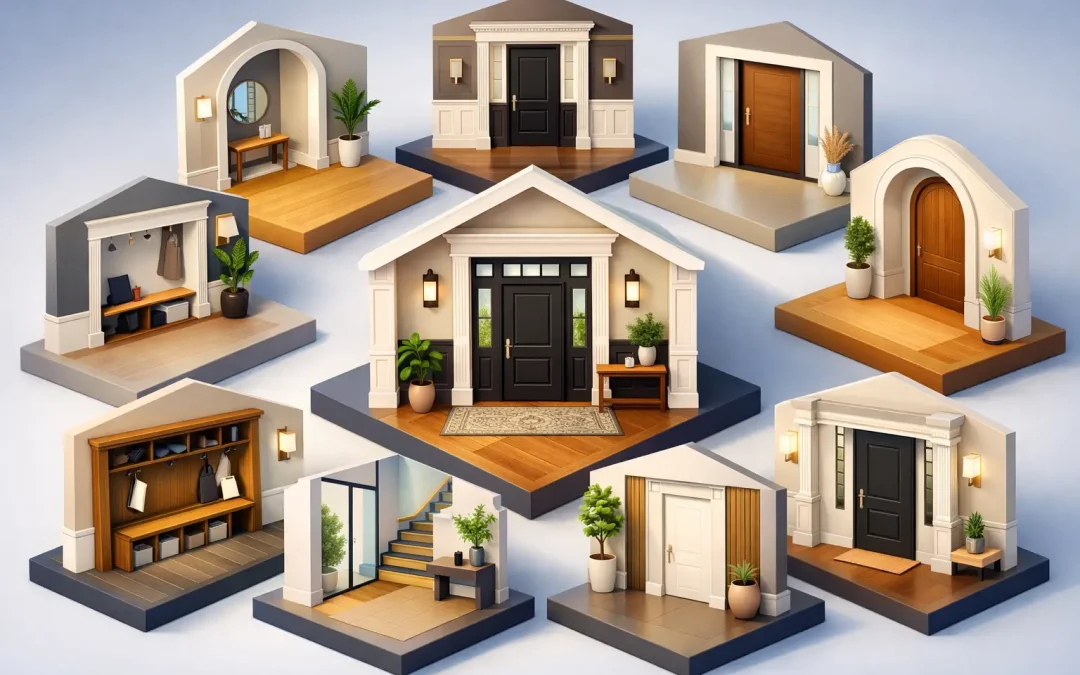
The entryway does more work than most homeowners give it credit for. It is the first thing guests see, the transition between rooms, and one of the easiest places to make an older home feel more finished. If you are looking for entryway trim ideas for homes, the right choice can sharpen the look of your space without requiring a full remodel.
Trim has a practical job, too. It protects corners, frames doors, hides uneven transitions, and gives walls a cleaner, more intentional look. In many Central Valley homes, especially those with a mix of original features and later updates, new trim can help tie everything together so the entry feels less patchwork and more complete.
Why entryway trim matters more than people expect
A plain entryway can make the whole house feel unfinished, even if the rest of the interior has been updated. On the other hand, well-chosen trim creates structure. It helps define the doorway, adds depth to flat walls, and gives the eye a clear focal point when someone steps inside.
This does not mean every home needs ornate millwork. In fact, one of the most common mistakes is choosing trim that is too decorative for the house. The best results usually come from matching the trim style to the age of the home, the height of the ceilings, and the level of finish in the surrounding rooms.
If your baseboards, casing, and interior doors already lean traditional, a simple builder-grade entry trim update may look out of place. If your home has clean lines and modern finishes, heavy layered molding can feel forced. Good trim work is not about adding more. It is about adding the right amount.
Entryway trim ideas for homes that want a finished look
1. Wider door casing for instant definition
One of the simplest upgrades is replacing narrow door casing with a wider profile. This gives the entry more presence without changing the layout. It works especially well in homes where the existing trim feels thin or dated.
A wider casing can make standard-height doors look more substantial. Flat stock trim gives a cleaner, more modern appearance, while routed or stepped profiles feel more classic. The trade-off is proportion. In a tight entry with low ceilings, trim that is too wide can make the space feel crowded instead of refined.
2. Craftsman-style trim for a clean, solid look
Craftsman trim remains popular because it feels substantial without being overly formal. It usually includes square edges, thicker side casings, and a simple header across the top of the doorway.
This style fits many homes because it bridges traditional and modern well. It also pairs nicely with painted woodwork, natural wood accents, and shaker-style cabinetry. If you want a trim style that adds value and looks intentional without chasing trends, this is a dependable choice.
3. Picture frame molding on entry walls
If the entry opens into a larger foyer or hallway, picture frame molding can add dimension to plain drywall. These rectangular trim layouts create a more custom appearance and make the area feel more polished.
This works best when the walls have enough open space to show the pattern. In a narrow hall filled with doors, vents, and switches, it can start to feel busy. The benefit is that it gives a high-end finish without requiring expensive materials. Paint it all one color for a subtle look, or use a contrasting wall color inside the frames if you want more visual impact.
4. Wainscoting for durability and style
Wainscoting is one of the most practical entryway trim ideas for homes with kids, pets, or a lot of daily traffic. It adds character, but it also protects lower walls from scuffs, bags, and shoes.
There are a few ways to approach it. Board and batten feels a little more farmhouse or transitional. Traditional panel wainscoting reads more formal. Beadboard can work in casual spaces, though it is not the right fit for every home. The key is height. Too short and it can look like an afterthought. Too tall and it may overpower the entry.
5. Crown molding to connect the entry to the rest of the house
If your home already has crown molding in nearby rooms, carrying it into the entryway helps the house feel more cohesive. This is especially helpful when the front entry opens directly to a living or dining area.
Crown molding tends to look best when ceilings are high enough to support it. In lower-ceiling spaces, a smaller profile usually works better. This is one of those areas where scale matters more than style. Oversized crown in a modest entry can draw attention for the wrong reason.
6. Baseboards that match the level of the home
Baseboards are easy to overlook, but they have a big impact on how finished the entry feels. Short, basic baseboards can make a remodeled space still look incomplete. Taller baseboards with a cleaner profile often give better visual weight and help anchor the walls.
If you are updating entry trim, it is smart to think beyond just the front door. New casing next to old, undersized baseboards can create a mismatch. Sometimes the better investment is treating the entry as part of the adjacent hallway so the transition feels intentional.
7. Layered trim around an arched or open entry
Not every entryway has a standard front door wall. Some homes have open passageways, arched transitions, or large cased openings that connect the entry to another room. These spaces benefit from trim that frames the opening clearly.
Layered trim can give these architectural transitions more definition. That might mean adding a thicker outer casing, a finished return, or subtle detailing that separates the opening from flat wall space. This is often custom work, but it can make an older home feel more thoughtfully updated.
8. Painted trim for contrast
White trim is a safe choice, but it is not the only option. In the right home, painted trim in a soft gray, warm beige, deep green, or even black can give the entryway more personality.
The main consideration is maintenance and coordination. Dark trim shows dust and surface flaws more easily. Bold colors can look great in a controlled design plan but feel out of place if the rest of the house stays very neutral. If you want contrast without too much commitment, using a slightly warmer or darker trim color than the wall can create depth while still feeling classic.
9. Stained wood trim for warmth
Painted trim gets most of the attention, but stained wood can be a strong choice in the right setting. It adds warmth, natural texture, and a sense of craftsmanship that works well in traditional, rustic, and some mid-century homes.
The challenge is consistency. New stained trim needs to coordinate with flooring, doors, and other wood tones nearby. If those finishes vary too much, the entry can start to feel disconnected. Done well, though, stained trim gives the front of the house a durable, custom look that painted trim cannot quite replicate.
How to choose the right trim for your entryway
Start with the home itself. Ceiling height, door style, flooring, and nearby trim all matter. The best-looking entryway is usually the one that feels like it belongs there, not the one that copies a photo from a different kind of house.
Budget also matters. Some trim upgrades are straightforward, like changing casing and baseboards. Others, such as wainscoting or custom millwork details, involve more labor and more planning. If your walls are out of square, your floors slope slightly, or your existing trim transitions are inconsistent, proper installation matters just as much as the material you choose.
That is where experience makes a difference. Good trim work is precise work. Gaps, uneven reveals, poor corner joints, and mismatched profiles stand out quickly in an entry because people see that area up close. For homeowners in Modesto, Riverbank, or Turlock with aging interiors, even a relatively modest trim update can improve the first impression of the home when it is done cleanly and proportionally.
A few mistakes to avoid
One common mistake is mixing too many trim styles in one small area. Another is choosing a profile based only on appearance without considering the rest of the house. A heavy traditional casing may look attractive on its own but feel out of place next to plain doors and minimal baseboards.
It is also worth thinking about paint finish. Entryways take wear, so trim should usually have a durable finish that can handle cleaning. Flat paint may look soft, but it is harder to maintain on high-contact surfaces.
Finally, do not underestimate prep work. If walls are uneven or previous repairs were rough, new trim can highlight those flaws rather than hide them. Sometimes the better result comes from minor wall repair and careful fitting before the new trim ever goes in.
A well-finished entryway does not need to be elaborate to make an impact. The right trim can bring order, character, and a better sense of quality to the front of the house, and that is the kind of improvement you notice every time you walk through the door.
Recent Comments