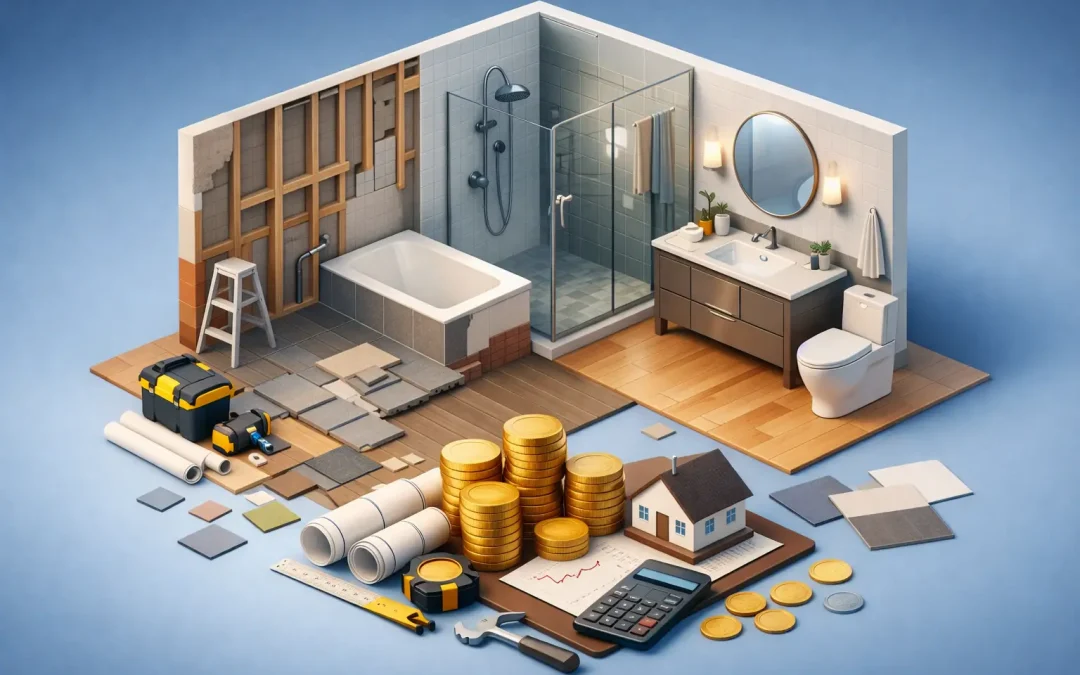
Sticker shock usually happens in the same moment homeowners realize a bathroom is more than tile and a vanity. Once plumbing, waterproofing, electrical work, ventilation, and finish choices enter the picture, the real budget starts to take shape. If you’re asking how much does bathroom remodeling cost, the honest answer is that it depends on the size of the space, the condition behind the walls, and how far you want to go.
For most homeowners, a bathroom remodel falls into three broad ranges. A basic refresh may land around $8,000 to $15,000. A mid-range remodel often runs $15,000 to $30,000. A larger or more custom primary bathroom remodel can move past $30,000 and climb significantly depending on layout changes, tile work, cabinetry, and fixture selections. In Modesto and surrounding Central Valley neighborhoods, labor availability, permit needs, and the age of the home can all influence where your project lands.
How much does bathroom remodeling cost for your type of project?
The biggest pricing difference comes down to whether you’re updating what is already there or rebuilding the room in a more substantial way. A simple cosmetic remodel keeps the same layout and focuses on visible improvements. That might include a new vanity, toilet, faucets, mirror, light fixtures, paint, and some updated flooring or shower surrounds. This kind of project is usually the most budget-friendly because plumbing and electrical locations stay put.
A full remodel costs more because it often includes demolition, subfloor repair, tile installation, waterproofing, a new shower or tub, upgraded ventilation, and finish work throughout. Once walls are opened, older homes can reveal water damage, outdated wiring, or plumbing issues that need to be corrected before the new materials go in. That work is not glamorous, but it is exactly what protects your investment.
A high-end remodel goes a step further. Custom cabinetry, stone surfaces, frameless glass, intricate tile layouts, built-in storage, premium plumbing fixtures, and heated flooring can all raise the total. These features can be worth it if the bathroom is a long-term space you use every day, but they should be planned carefully so the budget goes where it matters most.
The main cost factors homeowners should know
Size matters, but it is not the only driver. A small bathroom with detailed tile, custom finishes, and old plumbing can cost more per square foot than a larger bathroom with straightforward material choices. The scope of work is usually a better predictor than square footage alone.
Labor is a major part of the overall price. Demolition, plumbing, electrical, carpentry, tile setting, drywall, painting, and finish installation all require skilled work. Bathrooms are compact spaces with a lot happening inside them, which means every trade has to work precisely. Cutting corners here usually shows up later as leaks, loose tile, poor drainage, or premature wear.
Material selections can move the budget quickly. A stock vanity and standard fixtures help control cost. Custom millwork, designer lighting, natural stone, and specialty tile can raise it fast. Even within a moderate budget, there is usually room to mix priorities – spend more on a durable shower system or quality vanity, and save on decorative accessories that can be upgraded later.
Layout changes are another major factor. Moving a toilet, shower drain, or vanity plumbing line adds labor and can trigger more extensive rough-in work. Sometimes a layout change makes sense because it improves function in a cramped or awkward bathroom. Other times, keeping the existing footprint is the smarter financial choice.
Typical bathroom remodel budget ranges
A guest bathroom or hall bath refresh often comes in at the lower end if the plumbing stays in place and the finish selections are practical. Homeowners may choose a new vanity, standard tub or shower surround, fresh flooring, paint, and replacement fixtures. The space looks cleaner, brighter, and more current without turning into a major construction project.
A mid-range bathroom remodel usually balances appearance, durability, and resale value. This is where many homeowners replace an old tub with a tiled shower, install a better vanity with improved storage, update flooring, improve lighting, and bring the room up to modern standards. If the bathroom is older, this budget may also need to account for hidden repairs once demolition begins.
Primary bathrooms tend to cost more because they are larger and expectations are higher. Double vanities, larger showers, glass enclosures, upgraded finishes, and custom storage all add cost. If the goal is to create a more comfortable everyday space rather than just refresh the look, this is often where homeowners invest more heavily.
What drives costs up during construction
The fastest way a bathroom budget changes is when the existing room has underlying issues. Water damage around tubs, shower pans, or toilets is common in older bathrooms. Rot in the subfloor, framing repairs, mold remediation, and outdated plumbing connections can all add cost after demolition starts.
Tile is another area where budgets expand. Homeowners often focus on the price per square foot of the tile itself, but installation is usually the bigger number. Large-format tile, detailed patterns, niche shelves, accent bands, and full-height shower walls all require more labor. Proper waterproofing underneath that tile is essential, and this is not an area to cut back.
Permit requirements can also affect the final number. If plumbing, electrical, or structural work is involved, permits may be needed depending on the scope. While permits add some cost and time, they also help ensure the work is completed to code. For a remodel that protects both comfort and resale value, that matters.
How to keep bathroom remodeling costs under control
The best place to save money is in the planning stage. Start with a clear priority list. If your main goal is a better shower, stronger ventilation, and a vanity with more storage, build the budget around those upgrades first. It is easy to get distracted by finish choices and lose sight of the features that actually improve daily use.
Keeping the layout the same is often the smartest cost-control decision. You can still achieve a dramatic visual change with new tile, fixtures, cabinetry, lighting, and paint without moving plumbing lines across the room. In many cases, that approach delivers the best value.
Choose materials that fit the way your household uses the space. A busy family bathroom may benefit more from durable porcelain tile and easy-to-clean surfaces than from delicate finishes that require more upkeep. In a primary bath, it may make sense to invest in custom storage or a larger shower if those upgrades improve everyday comfort.
Work with a contractor who is honest about trade-offs. A dependable remodeling partner should be able to explain where a premium selection truly adds value and where a simpler option performs just as well. That kind of guidance helps avoid overspending without sacrificing workmanship.
How much does bathroom remodeling cost compared to the value it adds?
A bathroom remodel is not only about resale. It is about function, comfort, and protecting your home from moisture-related problems. Still, value matters, especially if you plan to sell in the future. Updated bathrooms tend to appeal strongly to buyers because they signal that the home has been maintained.
Not every dollar spent returns dollar for dollar in resale, so the goal should be balance. A well-executed remodel with quality materials, good lighting, proper ventilation, and a clean, timeless look usually makes more sense than an overly customized design that prices itself above the neighborhood. If you are remodeling for the long term, prioritize what improves your daily routine. If resale is a near-term goal, keep choices broad and practical.
In many Central Valley homes, a bathroom update also addresses deferred maintenance. Replacing worn surfaces, correcting leaks, improving storage, and modernizing fixtures can prevent bigger repair costs later. That value does not always show up in a resale calculator, but homeowners feel it every day.
Getting an accurate estimate before you start
Online averages can be helpful for rough planning, but they cannot account for your home’s age, the condition behind the walls, or the finish level you want. The most useful estimate comes from an in-person evaluation and a clear conversation about priorities, materials, and scope.
That is especially true in older homes, where two bathrooms that look similar on the surface can require very different levels of repair once work begins. A contractor with remodeling experience should help you think through both the visible upgrades and the less visible work needed to do the job properly. At Thiel Construction, that practical approach matters because a bathroom should not only look better when it is finished – it should perform better too.
If you’re planning a bathroom remodel, start with the space you have, the problems you want solved, and a budget range that feels realistic. A good remodel is not about chasing the highest number or the cheapest bid. It is about making sound choices that fit your home, your goals, and the way you live.
Recent Comments