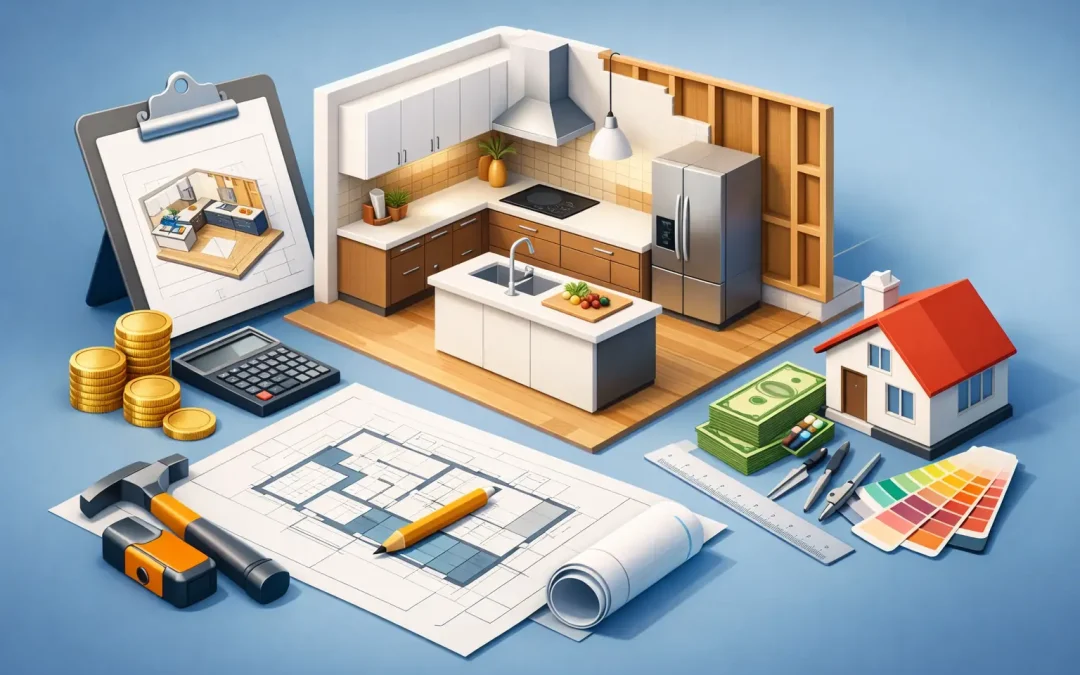
Sticker shock usually shows up fast in a kitchen remodel. Cabinets cost more than expected, electrical work appears once walls open up, and the tile you liked online looks very different when it is priced for a full room. If you are trying to figure out how to plan kitchen remodel budget without getting buried in surprises, the best place to start is not finishes. It is your priorities, your home’s existing conditions, and a realistic plan for where the money actually goes.
A good kitchen budget is not just a spending cap. It is a decision-making tool. It helps you separate what must be done from what would simply be nice to have, and it gives your contractor a clear path to build around your goals without cutting corners.
How to plan kitchen remodel budget from the ground up
Most homeowners make one of two mistakes. They either pick a number first with no connection to scope, or they start choosing materials before they understand labor, installation, and hidden repair costs. The better approach is to build your budget in layers.
Start with the reason for the remodel. If your kitchen layout does not function well, your budget needs to reflect structural, plumbing, electrical, or cabinetry changes. If the layout works and the problem is mostly dated finishes, you may be able to focus more of the budget on visible upgrades. Those are two very different projects, even if both are called a kitchen remodel.
It also helps to think about how long you plan to stay in the home. If this is your long-term house, it can make sense to invest in better cabinetry, durable counters, and improvements that make daily life easier. If resale is a major factor, the budget may need to stay tighter and center on broad buyer appeal rather than highly personal selections.
Know the difference between needs and upgrades
Before assigning dollars, sort your project into three categories: must-fix items, functional improvements, and finish upgrades. This sounds simple, but it keeps the budget from getting pulled off course by cosmetic choices too early.
Must-fix items include worn-out plumbing, outdated wiring, water damage, poor ventilation, or cabinets that are no longer structurally sound. These issues are not always exciting, but they protect the value of the remodel and help avoid future repairs.
Functional improvements are changes that make the kitchen work better. That might mean adding storage, improving lighting, widening walkways, or changing the layout so appliances and prep space make more sense. These upgrades often have a bigger impact on daily use than decorative items.
Finish upgrades are the surfaces people notice first: countertops, backsplash, flooring, fixtures, hardware, and paint. They matter, but they should come after the budget accounts for the first two categories. A beautiful kitchen that still has poor lighting, bad flow, or old wiring is not money well spent.
Where kitchen remodel money usually goes
When homeowners ask how to plan kitchen remodel budget, they often expect one big number. In reality, kitchens are a mix of many cost categories, and some carry far more weight than others.
Cabinetry is often one of the largest expenses. Stock cabinets cost less, but they may not use space as efficiently or fit the room as cleanly. Semi-custom and custom options cost more, but they can solve storage issues and create a more finished result. Countertops can also vary widely depending on material, edge detail, and the amount of fabrication required.
Labor is another major part of the budget, and it should be. Skilled installation, proper prep work, code-compliant electrical and plumbing, and careful finish work are what make the remodel last. Cutting labor costs too aggressively often creates expensive problems later.
Appliances, flooring, tile, lighting, permits, demolition, painting, and trim all need room in the numbers as well. If walls are moving or utilities are shifting, those costs rise quickly. That does not mean layout changes are a bad idea. It just means they need to be worth it.
Leave room for what you cannot see yet
One of the most practical parts of how to plan kitchen remodel budget is setting aside a contingency. In older homes especially, conditions behind walls and under floors are not always known until work begins. Water damage, framing issues, outdated wiring, plumbing changes, and subfloor repairs are common examples.
A contingency fund helps you respond without panic or rushed decisions. For many kitchen projects, setting aside 10 to 20 percent of the total budget is a smart move. The exact number depends on the age of the home, the complexity of the remodel, and how much demolition is involved.
If the kitchen is in an older Modesto-area home that has seen years of updates layered over original work, it makes sense to be a little more cautious. Hidden problems do not mean the project is going badly. They mean the budget was planned responsibly.
Decide where to spend and where to save
Not every part of the kitchen deserves the same level of investment. The smartest budgets put money where performance, durability, and craftsmanship matter most.
Cabinets are a good example. If you cook often and need storage that works hard every day, quality cabinetry is usually worth the investment. The same goes for drawer hardware, hinges, and installation. These are not flashy details, but they affect how the kitchen feels and functions for years.
Countertops and flooring should balance appearance with maintenance and wear. A material that looks great but stains easily or chips under normal family use may not be the right fit. On the other hand, there may be savings available in areas like backsplash tile patterns, decorative lighting, or premium features that do not add much function.
Appliances can go either way depending on your household. If cooking is central to your daily routine, appliance performance may justify a larger share of the budget. If not, a well-chosen midrange package can free up money for better cabinetry or layout improvements.
Get clear on scope before choosing finishes
Homeowners often start with inspiration photos, and that is fine, but those images do not show what is happening behind the walls or what it costs to recreate the full look. Budget planning works better when the project scope is defined first.
That means answering a few practical questions early. Are you keeping the existing layout or changing it? Are current cabinets staying, being refaced, or being replaced? Will plumbing or gas lines move? Does the lighting plan need an upgrade? Are permits required? Once those answers are clear, finish selections become easier because you know how much of the budget is truly available for materials.
This is also where an experienced contractor adds real value. A good contractor helps identify what is driving cost, what can be phased, and where a small change in design can create meaningful savings without lowering quality.
How to compare estimates without getting misled
A low number is not always a better number. If one estimate looks far cheaper than the others, look closely at what is included and what is missing. Some bids leave out demolition details, finish installation, disposal, permits, or repair work that is likely to come up once the project starts.
The strongest estimates are detailed and easy to understand. They should show scope clearly enough that you can compare one contractor’s plan to another. If allowances are used for things like tile, fixtures, or appliances, make sure they reflect realistic selections. An allowance that is too low can make a bid look attractive at first and expensive later.
For homeowners, the goal is not just to find the cheapest path. It is to find the budget that gives you quality workmanship, honest planning, and a result that holds up.
Build a budget around real life, not just resale
Resale matters, but your kitchen is also a working part of your home. A remodel should support the way your household actually lives. That might mean more prep space, better pantry storage, easier cleanup, stronger lighting, or surfaces that can handle heavy family use.
When the budget is shaped around real priorities, the finished kitchen tends to feel right long after the excitement of new materials wears off. At Thiel Construction, that practical mindset is often what helps homeowners make steady, confident decisions instead of chasing every upgrade.
If you are planning a kitchen remodel, give yourself permission to be honest about what matters most. A good budget does not have to be extravagant. It just has to be realistic, well organized, and built to support a kitchen you will be glad to use every day.
Recent Comments