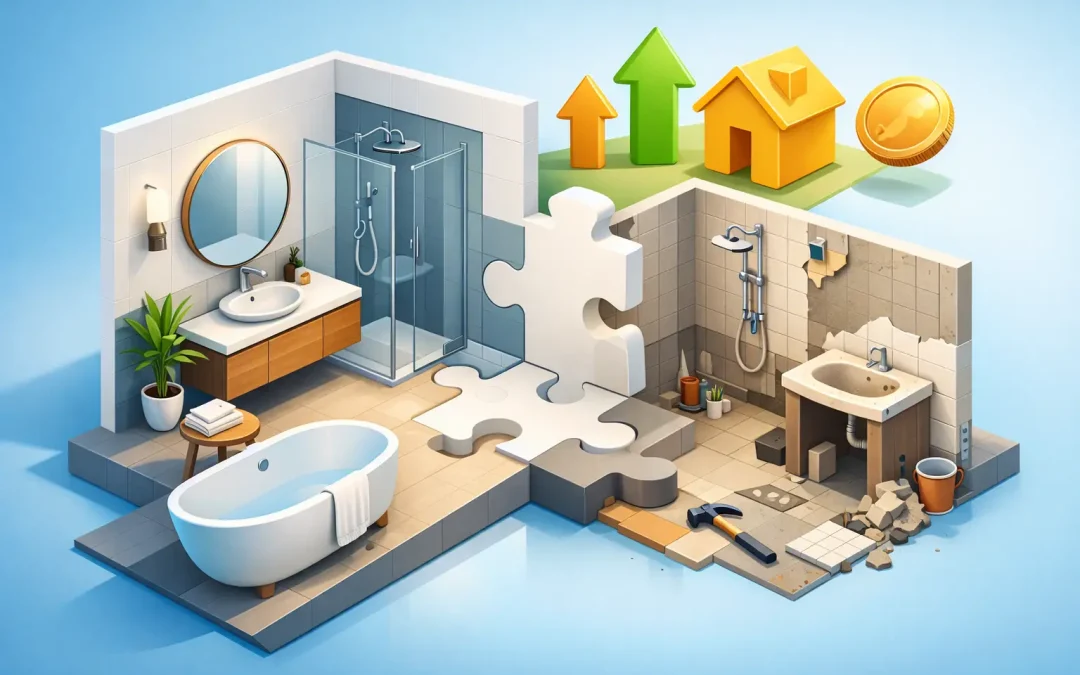
A bathroom usually gets your attention when something stops working. The shower feels cramped. The vanity has no storage. Tile is cracked, caulk is failing, and the room looks older than the rest of the house. Bathroom remodeling solves those everyday problems, but the best projects do more than freshen up finishes. They make the space easier to use, easier to clean, and better suited to the way your family actually lives.
For many homeowners in Modesto and the Central Valley, the goal is not to create a flashy showroom. It is to make an outdated bathroom feel solid, comfortable, and worth the investment. That means looking beyond paint colors and fixtures and paying close attention to layout, moisture protection, storage, lighting, and the quality of installation.
What makes bathroom remodeling worth it
A well-planned bathroom remodel improves daily life in ways homeowners notice right away. Better lighting makes mornings easier. A smarter vanity gives you storage where you need it. A new shower can make a tight, worn space feel open and clean. If the room has hidden water damage or old materials nearing the end of their life, remodeling also gives you a chance to fix problems before they become expensive repairs.
There is also the value side of the equation. Bathrooms matter to buyers because they are high-use rooms and expensive to update. An older bathroom with stained grout, dated fixtures, or poor lighting can make the whole house feel tired. On the other hand, a clean, practical, professionally finished bathroom helps support resale value, especially when the work is done with durable materials and proper building practices.
Still, not every remodel needs to be a full gut job. Sometimes replacing flooring, a vanity, lighting, and plumbing fixtures is enough to transform the space. In other cases, the layout itself is the problem, and cosmetic updates only delay a larger fix. The right scope depends on the condition of the room, your budget, and how long you plan to stay in the home.
Bathroom remodeling starts with the real problems
Homeowners often begin with a style idea, but the most successful remodels start with function. If two people use the bathroom every morning, a single sink with no counter space may be the real issue. If the shower is hard to step into, accessibility may matter more than a new tile pattern. If ventilation is poor, you may keep repainting the same ceiling without solving the moisture problem.
That is why it helps to ask a few direct questions before making selections. What frustrates you about the room now? What has worn out? What feels too small, too dark, or too hard to maintain? Once those answers are clear, design choices become easier and the budget goes toward improvements that actually matter.
A bathroom remodel can include layout changes, shower and tub replacement, vanity installation, tile work, lighting upgrades, plumbing fixture replacement, new cabinetry, ventilation improvements, and finish updates. Not every project needs all of those pieces. A good plan focuses on the upgrades that will have the biggest impact without adding unnecessary cost.
Layout matters more than most people expect
Even a beautiful bathroom can feel wrong if the layout wastes space. A door swing may block the vanity. A bulky tub may take up room that would be better used for a larger shower. A poorly placed toilet can make the room feel cramped the second you walk in.
Changing a layout can add cost because moving plumbing and electrical often takes more labor. But sometimes it is the best money spent in the project. A modest primary bath can feel significantly better with a larger shower, better clearances, and improved storage. In a hall bath, a better layout can make the room more practical for kids, guests, and busy mornings.
The trade-off is simple. If the existing layout mostly works, keeping plumbing in place can protect your budget. If the room has never functioned well, forcing new finishes into the same bad layout may leave you disappointed.
Where quality matters most in a bathroom remodel
Bathrooms are hard-working rooms. They deal with water, humidity, frequent cleaning, and daily wear. Because of that, the parts you do not see are just as important as the ones you do.
Waterproofing is one of the biggest examples. A shower that looks great on the surface can still fail if the backing materials, seams, and transitions were not installed correctly. The same goes for tile prep, subfloor repair, and proper sealing around fixtures and penetrations. Cutting corners in these areas can lead to leaks, loose tile, mold, and costly repairs behind finished walls.
Ventilation is another area homeowners sometimes overlook. A quality exhaust fan, correctly sized and vented, helps control humidity and protect paint, drywall, and trim. It also makes the room more comfortable to use. Good lighting matters too. Many older bathrooms rely on one overhead light, which creates shadows and makes the room feel dim. Layered lighting around the vanity and shower improves both function and appearance.
Cabinetry and storage are worth careful thought as well. A vanity should not just look good in the showroom. It should fit the room, provide useful storage, and hold up to moisture over time. Custom or semi-custom solutions can be especially helpful in bathrooms with unusual dimensions or limited space.
Choosing materials that look good and last
There is no shortage of bathroom materials on the market, and price ranges can vary widely. The best choice is not always the most expensive option. It is the one that fits your budget, your maintenance preferences, and the way the room is used.
Porcelain tile remains a strong choice for floors and shower walls because it is durable, water-resistant, and available in many styles. Natural stone can be beautiful, but it usually requires more maintenance and may not be the right fit for every household. Quartz countertops are popular because they are low maintenance and consistent in appearance. Solid, well-built cabinetry and quality plumbing fixtures often deliver better long-term value than spending extra on trendy details that may date quickly.
This is where practical guidance matters. A family bathroom used by kids may need different materials than a guest bath used occasionally. A homeowner planning to stay for many years may prioritize comfort and durability, while someone preparing to sell may focus on broad appeal and sensible upgrades. Bathroom remodeling works best when material choices match the real purpose of the project.
Budgeting for bathroom remodeling without surprises
Most homeowners want a clear idea of cost, and that is reasonable. The challenge is that bathroom budgets depend on several moving parts, including size, layout changes, material selections, plumbing conditions, and what is found once demolition begins.
An older home may have water damage, outdated plumbing, or framing issues that need correction before the new work can move forward. That does not mean the project is off track. It means the remodel is uncovering issues that were already there and giving you the chance to fix them the right way.
The most effective approach is to decide early where to spend and where to stay conservative. If the shower is your top priority, invest there. If stock cabinetry fits the space well, that may be a place to save. If you want a higher-end tile look, you may balance that by keeping the layout in place. Good planning is not about doing everything. It is about making decisions that support the result you want without stretching the budget for features that add little value.
For homeowners who want guidance without pressure, working with an experienced local contractor can make that process easier. A company like Thiel Construction can help sort through options, identify practical trade-offs, and keep the focus on workmanship that lasts.
A bathroom remodel should fit your home, not fight it
One common mistake is treating the bathroom like a separate design project with no connection to the rest of the home. A remodel should feel updated, but it should also make sense with your house in terms of style, quality, and budget. In many Central Valley homes, that means choosing finishes that feel clean and current without looking out of place next to the surrounding rooms.
That balance is especially important if you are remodeling more than one area over time. A bathroom should not feel overbuilt compared to the kitchen or the rest of the house. At the same time, it should not feel like a quick patch job in a home you plan to enjoy for years. The best results come from making thoughtful improvements that respect the home as a whole.
Bathroom remodeling is one of the most practical ways to improve comfort and protect the value of your home, but the details matter. A good-looking room is not enough. It should function well, hold up over time, and reflect solid craftsmanship behind every finished surface. When the plan is built around how you actually live, the result is a bathroom that feels better every single day.
Recent Comments