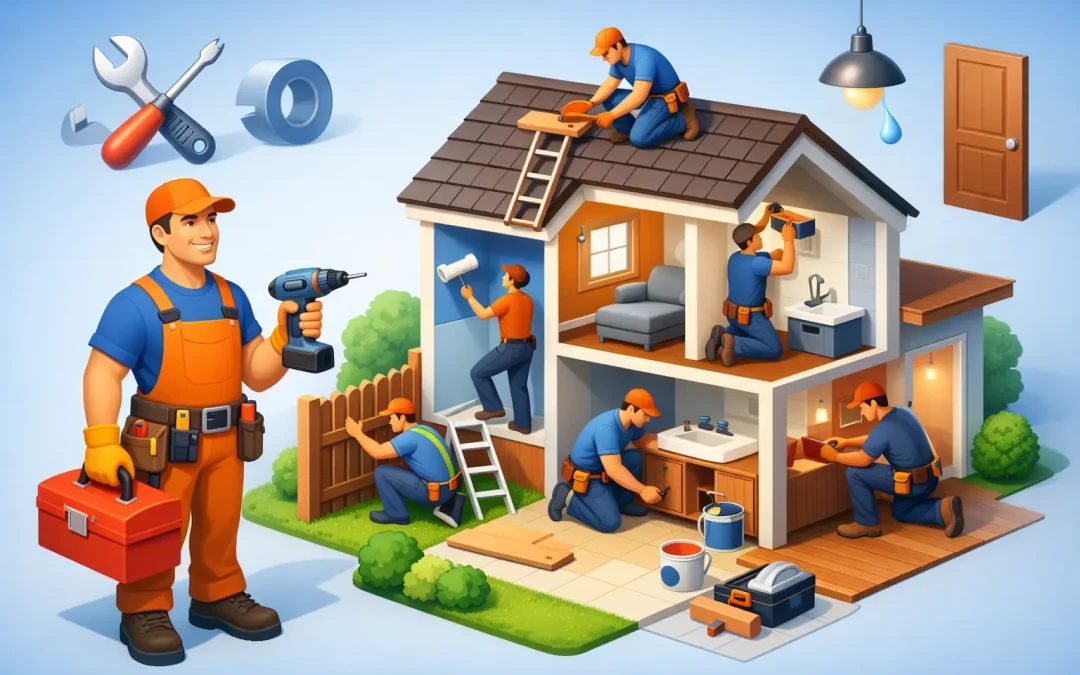
A door that will not latch, a faucet that keeps dripping, and trim that never got finished after a remodel – these are the kinds of problems that pile up in real homes. If you have ever looked around and wondered what does a handyman do, the short answer is this: a handyman takes care of the small to mid-sized repairs, installations, and maintenance jobs that keep your home working the way it should.
For many homeowners, that kind of help matters more than one big project. A reliable handyman can knock out the items that make a house feel worn, unfinished, or harder to live in. The work is practical, but the result is bigger than the repair itself. Your home feels more cared for, more functional, and often more valuable.
What does a handyman do on a typical visit?
A handyman usually handles a range of general home repair and improvement tasks in one appointment. That is one of the biggest advantages. Instead of calling one company for drywall, another for a door issue, and another for light carpentry, a skilled handyman can often take care of several items during the same visit.
Typical work includes repairing drywall damage, replacing trim, adjusting doors, fixing loose cabinet hardware, installing shelves, swapping out fixtures, patching minor wood rot, caulking around tubs and sinks, and handling other finish-related repairs. These are jobs that may not require a full remodeling crew, but they still need to be done correctly if you want clean, lasting results.
In many homes, handyman work also overlaps with preventive maintenance. Small issues tend to grow when they are ignored. A cracked piece of exterior trim can turn into water damage. A loose handrail can become a safety concern. A small plumbing drip can stain cabinetry or flooring over time. A good handyman does not just complete the repair. He also notices what may be causing the problem and whether a more permanent fix is needed.
Common handyman services homeowners ask for
Most handyman calls fall into a few categories. The first is general repairs. This covers the everyday wear and tear that comes with living in a home for years. Walls get dinged, grout cracks, doors settle, and fixtures wear out. These are normal issues, but they still need attention.
The second category is installation work. Homeowners often hire a handyman to install a new faucet, replace a vanity light, hang a ceiling fan, mount a TV, install cabinet hardware, or add storage features like shelving. These projects sound simple until you are trying to line everything up, secure it properly, and avoid damaging finished surfaces.
The third category is punch-list work. This is especially common after a move, a remodel, or years of putting off small projects. Maybe there are baseboards that need to be finished, a bathroom accessory that was never installed, and a closet door that has not worked right in months. A handyman is often the most efficient solution when you have several smaller items that need attention at once.
Where a handyman fits in compared to a specialist
This is where some homeowners get stuck. They know something needs to be fixed, but they are not sure if they need a handyman, a remodeler, or a specialty trade.
A handyman is a strong fit when the work is varied, relatively straightforward, and limited in scope. If you need a few repairs in different parts of the house, that is often handyman territory. If the project involves changing finishes, replacing worn materials, or improving function without major structural changes, a handyman may be exactly the right call.
A specialist is usually the better choice when the work is highly technical, heavily regulated, or part of a larger system. Major electrical upgrades, extensive plumbing reroutes, HVAC replacement, roof replacement, and structural framing repairs often need a licensed specialist or a larger contractor team. The same goes for projects that require permits, engineering, or deeper code review.
There is also a middle ground. Sometimes a homeowner calls for what seems like a basic repair and finds out the issue is part of a bigger problem. Water damage around a shower, for example, might start as a caulking issue but turn out to involve tile failure or hidden framing damage. That is where experience matters. A contractor with both handyman capability and remodeling knowledge can tell the difference between a quick repair and something that needs a broader solution.
What a handyman usually does not do
A trustworthy handyman should be clear about limits. Not every project is a handyman project, and that is a good thing. You want someone who knows when a job is appropriate and when it needs another level of expertise.
In most cases, a handyman does not take on large-scale additions, full kitchen or bathroom remodels by himself, major structural changes, or extensive system replacements. Some handymen also avoid roofing, foundation work, and any task that could create code or liability concerns beyond their scope.
That does not mean the work is less important. In fact, smaller jobs often protect the value of the larger systems in your home. Replacing failed caulk, fixing trim gaps, repairing damaged drywall, and correcting minor finish issues can help preserve the condition of bathrooms, kitchens, and living spaces before the damage spreads.
The real value of handyman work
Homeowners sometimes think of handyman service as a convenience, but it is also a smart way to protect your investment. Deferred maintenance is expensive. The longer small problems sit, the more likely they are to affect nearby materials or turn into larger repairs.
There is also the quality-of-life side. A home does not need to be in major disrepair to feel frustrating. Cabinets that do not close right, a gate that drags, missing trim, cracked tile, or poorly sealed fixtures can make a house feel older and less cared for than it really is. Fixing those issues improves daily use of the space.
For homeowners preparing to sell, handyman work can also make a noticeable difference. Buyers pay attention to details. Minor repairs and finish corrections help a home show better and suggest that the property has been maintained. You do not always need a full remodel to make an impression. Sometimes you need the small items handled well.
What to expect when hiring a handyman
A professional handyman should ask good questions, look at the full scope of work, and be realistic about what can be done in one visit. It helps to make a written list ahead of time, even if some items seem minor. Grouping tasks together is often the most efficient way to get value from the appointment.
You should also expect honest communication. Some repairs are simple. Others uncover hidden damage once materials are opened up. A dependable contractor will explain what is visible, what is uncertain, and what options make sense for your budget.
Craftsmanship still matters on small jobs. Homeowners in Modesto, Riverbank, and Turlock often live in homes where age, sun exposure, moisture, and everyday wear create a steady stream of repair needs. In that setting, a handyman is not just someone with tools. He is someone who understands how to make repairs that fit the home, hold up over time, and do not create bigger issues later.
When handyman work leads to something bigger
One practical benefit of working with an experienced contractor is that small repairs often reveal opportunities for better long-term planning. You may start by replacing damaged trim in a bathroom and realize the vanity, lighting, and storage no longer work well either. You may patch kitchen drywall and decide the cabinetry or backsplash is ready for an update.
That does not mean every repair should turn into a remodel. Sometimes the right answer is simply to fix what is broken and move on. But when a handyman has broader residential construction experience, you get a more useful assessment. You can decide whether a repair is enough for now or whether it makes sense to plan a larger improvement later.
That is one reason many homeowners prefer working with a company that can handle both small jobs and more involved home improvements. Thiel Construction, for example, serves homeowners who need anything from repair and maintenance work to custom remodeling, which helps when a straightforward repair turns out to be part of a larger issue.
If you have been putting off a list of nagging repairs, the best time to address them is usually before they become expensive ones. A good handyman brings order to the unfinished, the worn out, and the overlooked – and that can make your home feel right again.
Recent Comments