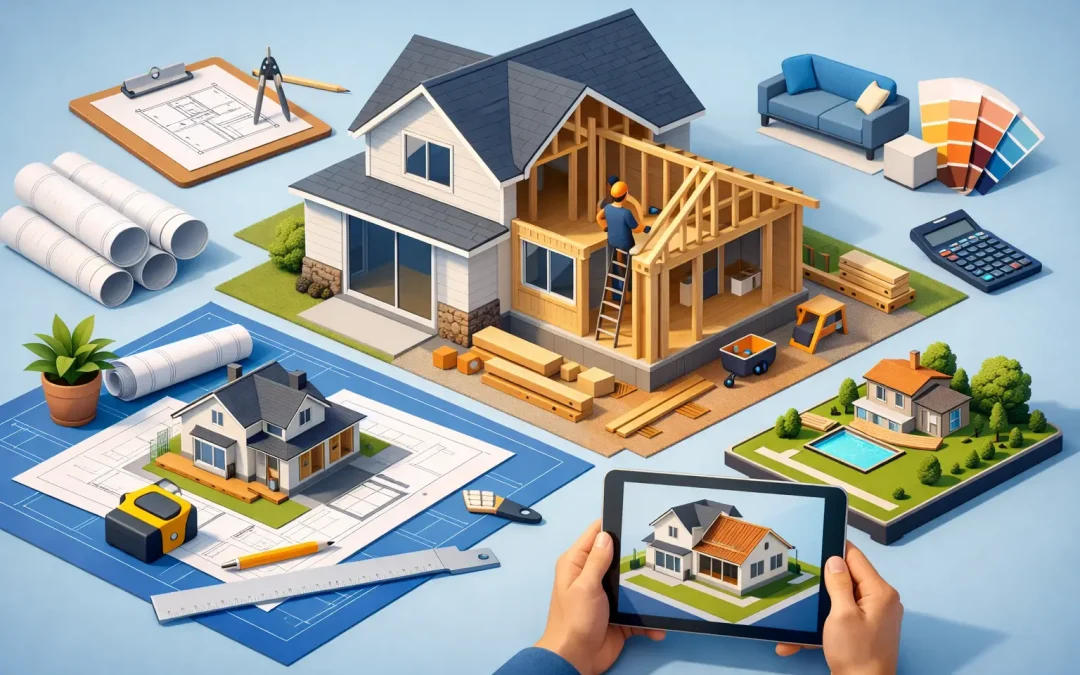
That extra bedroom, larger kitchen, or new family room usually starts the same way – with a home that no longer fits how you live. If you’re figuring out how to plan a home addition, the biggest mistake is jumping straight to square footage and finishes before you know what problem the addition needs to solve.
A well-planned addition should improve daily life, work with your existing home, and make sense for your budget. It also needs to account for permits, structural realities, utility changes, and how construction will affect your routine. The best results come from slowing down early so the build can move forward with fewer surprises later.
Start with the reason for the addition
Before you sketch layouts or compare material prices, get specific about why you want to add onto your home. More space is not a complete answer. You may need a first-floor bedroom for a family member, a larger kitchen for a growing household, a home office that is actually quiet, or a bathroom that reduces the morning traffic jam.
When the purpose is clear, design decisions get easier. You can tell the difference between must-haves and features that would simply be nice to include. That matters because every home addition involves trade-offs. A bigger footprint may mean higher foundation, roofing, HVAC, and finish costs. In some cases, a smarter layout change inside the home can solve part of the problem and keep the addition smaller.
It also helps to think a few years ahead. If you plan to stay in the home long term, the addition should support future needs, not just immediate ones. If resale is part of the equation, focus on space that appeals to future buyers in your neighborhood rather than highly specialized rooms.
How to plan a home addition with a realistic budget
Budgeting is where many projects either get grounded in reality or drift off course. Homeowners often focus on the visible parts of the project, such as cabinets, flooring, windows, or tile, but the less visible work can be just as significant. Site prep, engineering, permits, framing, roofing tie-ins, electrical upgrades, plumbing changes, insulation, drywall, and finish carpentry all add up.
A realistic budget should include three layers. The first is the construction cost itself. The second is design, permit, and planning costs. The third is contingency money for hidden issues or changes that come up once work begins. In older homes especially, opening walls can reveal outdated wiring, framing repairs, or foundation concerns.
It is also smart to decide early where quality matters most. If the addition connects to a kitchen or primary suite, durable materials and good finish work usually pay off in daily use. If the goal is simply to add a functional bedroom or office, you may choose more modest finishes and put more of the budget toward the structure and long-term performance of the space.
Make sure the addition fits the house
A good addition should feel like part of the home, not an afterthought. That means the roofline, exterior materials, window proportions, and interior flow all need attention. Even a simple room addition can look awkward if the floor levels do not align well or the transition from old space to new space feels forced.
Function matters just as much as appearance. Think about how people will move through the new area and what the addition will change in the existing home. A larger kitchen may affect dining space, traffic patterns, and access to the backyard. A new primary suite may require plumbing runs, closet space, and privacy from shared living areas.
This is one of the places where experienced guidance helps. Homeowners often start with the right goal but an inefficient layout. Sometimes shifting a hallway, reworking an existing room, or relocating a door can make the addition work much better without adding unnecessary square footage.
Check the property and permit realities early
One of the most important parts of how to plan a home addition is confirming what your property will actually allow. Setbacks, lot coverage limits, easements, utility locations, and height restrictions can affect what you can build and where you can build it. In some neighborhoods, design review or HOA rules may also come into play.
Permits are not a side issue. They are part of building safely and legally. A permitted addition helps protect your investment and reduces the risk of problems when you refinance or sell. It also helps ensure the work meets code for structural framing, electrical, plumbing, energy efficiency, and life safety.
This is where local experience matters. A contractor familiar with Modesto-area homes and permitting can often spot likely issues early, whether that means drainage concerns, older home conditions, or utility upgrades that need to be addressed before construction begins.
Choose the right team before finalizing the plan
The people involved in the project shape the outcome just as much as the design. A good contractor does more than price the work. They help identify practical construction issues, explain options clearly, and keep the project aligned with your priorities.
When speaking with contractors, ask how they approach budgeting, change orders, scheduling, and communication. You want someone who is honest about what is known, what still needs to be confirmed, and where costs can move. Be cautious of pricing that seems unusually low without a clear scope. That often leads to shortcuts, vague allowances, or expensive surprises later.
It also helps to work with a contractor who can handle both the big picture and the details. On an addition, those details matter – tying new framing into old structure, matching finishes where needed, protecting the lived-in parts of the house, and keeping the site organized. That practical craftsmanship is often what separates a stressful project from a well-managed one.
Plan for living through construction
Many homeowners spend a lot of time thinking about the finished room and very little time thinking about the months in between. Depending on the size and location of the addition, construction may affect access, parking, noise levels, dust control, and the use of nearby rooms.
If the project connects to your kitchen, bathroom, or main living area, ask early how daily life will be affected. Will there be periods when utilities are shut off? Will a wall be opened for several days? Will part of the yard be inaccessible? Knowing this in advance helps you plan around it and reduces frustration.
Schedule matters too, but it should be discussed realistically. Weather, inspections, material lead times, and hidden site conditions can all affect timing. A dependable contractor should provide a reasonable timeline, explain the sequence of work, and communicate when adjustments are needed.
Understand where changes get expensive
Changes on paper are cheaper than changes in the field. That is one of the simplest truths in remodeling and addition work. Once framing, plumbing, or electrical rough-ins are underway, moving walls, windows, or fixture locations becomes more costly.
That does not mean every detail must be perfect from day one. Some selections can happen later in the process. But the core decisions – room size, layout, window placement, plumbing locations, ceiling heights, and major finish direction – should be settled as early as possible.
This is also why allowances need careful review. If your estimate includes allowances for flooring, tile, cabinets, or fixtures, make sure those numbers match the level of finish you actually want. A low allowance can make a proposal look attractive at first, then stretch the budget once real selections are made.
Think beyond square footage
A successful addition is not just more room. It should make the home work better. Natural light, storage, outlet placement, insulation, sound control, and heating and cooling all influence whether the new space feels comfortable and worth the investment.
For example, a family room addition with poor summer cooling may look great but feel unusable for part of the year. A new bedroom without enough closet space may solve one problem while creating another. Good planning looks at performance as well as appearance.
Homeowners also benefit from thinking about maintenance. Exterior materials, roofing connections, windows, and trim details should be chosen with durability in mind. The best-looking addition is not the one that photographs well on day one. It is the one that still performs and looks right years later.
How to plan a home addition without overbuilding
Bigger is not always better. The right addition is one that supports your home, your property, and your budget. In some neighborhoods, adding too much square footage or building far above the standard of surrounding homes may not return the value homeowners expect. In other cases, a modest but well-designed addition can improve both livability and resale appeal.
This is where honest advice matters. A contractor focused on long-term value should be willing to say when a simpler approach makes more sense. At Thiel Construction, that practical mindset is part of what homeowners appreciate most – quality work guided by real-world decisions, not upselling for the sake of a larger project.
If you’re planning an addition, take the time to define the purpose, set a realistic budget, and build the plan around how you actually live. The right project should feel less like adding space and more like making your home fit your life again.
Recent Comments